

CULTURAL
DESTINATIONS
Designing destinations where culture comes alive
CULTURE • HERITAGE • PLACE
BACK TO EXPERTISE
LANDMARKS
GALLERIES
EXPERIENCES
EVENTS
PLACES

01 ________THE OPPORTUNITY
WHAT MAKES A DESTINATION MEMORABLE IS WHERE IT BELONGS
People travel to experience something different. A different landscape. A different culture. A different rhythm of life. The places that stay with us are rarely those that reproduce something we have seen elsewhere. They are places that feel inseparable from their setting. Culture gives a destination that distinction. It can be found in the obvious things such as history, architecture, craft and landscape; but also in the less tangible qualities of a place: how people gather, the rituals of hospitality, local stories, materials, colours, scents and the relationship between people and their environment. When these layers are understood and interpreted well, they can shape much more than architectural character. They can inform the arrival, the visitor journey, the landscape, food and beverage, retail, programming and the experiences people take away with them. The opportunity is not to create a destination in a place. It is to create a destination that belongs to it.

02 ______THE CHALLENGE
AUTHENTICITY CANNOT BE APPLIED AT THE END
Culture is easy to reference. It is much harder to translate meaningfully. A motif can be copied. A local material can be specified. A story can be added to the narrative. But without a deeper understanding of the place, these gestures can quickly become superficial. At the other extreme, an overly literal interpretation of heritage can prevent a destination from feeling contemporary or relevant to the audiences it needs to attract. The challenge is to understand what should be preserved, what can be reinterpreted and where something entirely new can emerge.
03 ______OUR APPROACH
UNDERSTAND. INTERPRET. TRANSLATE.
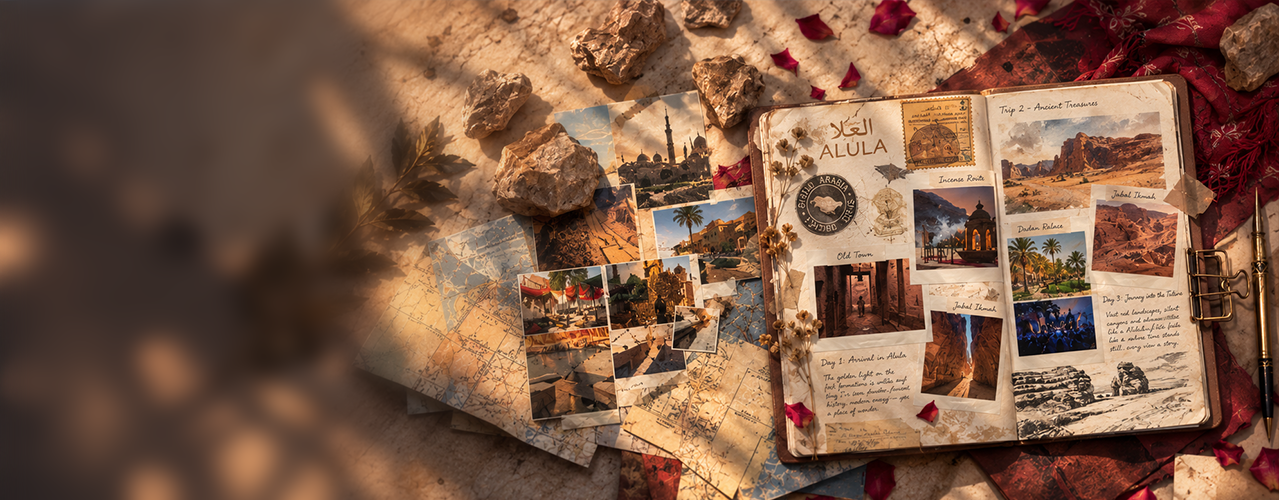
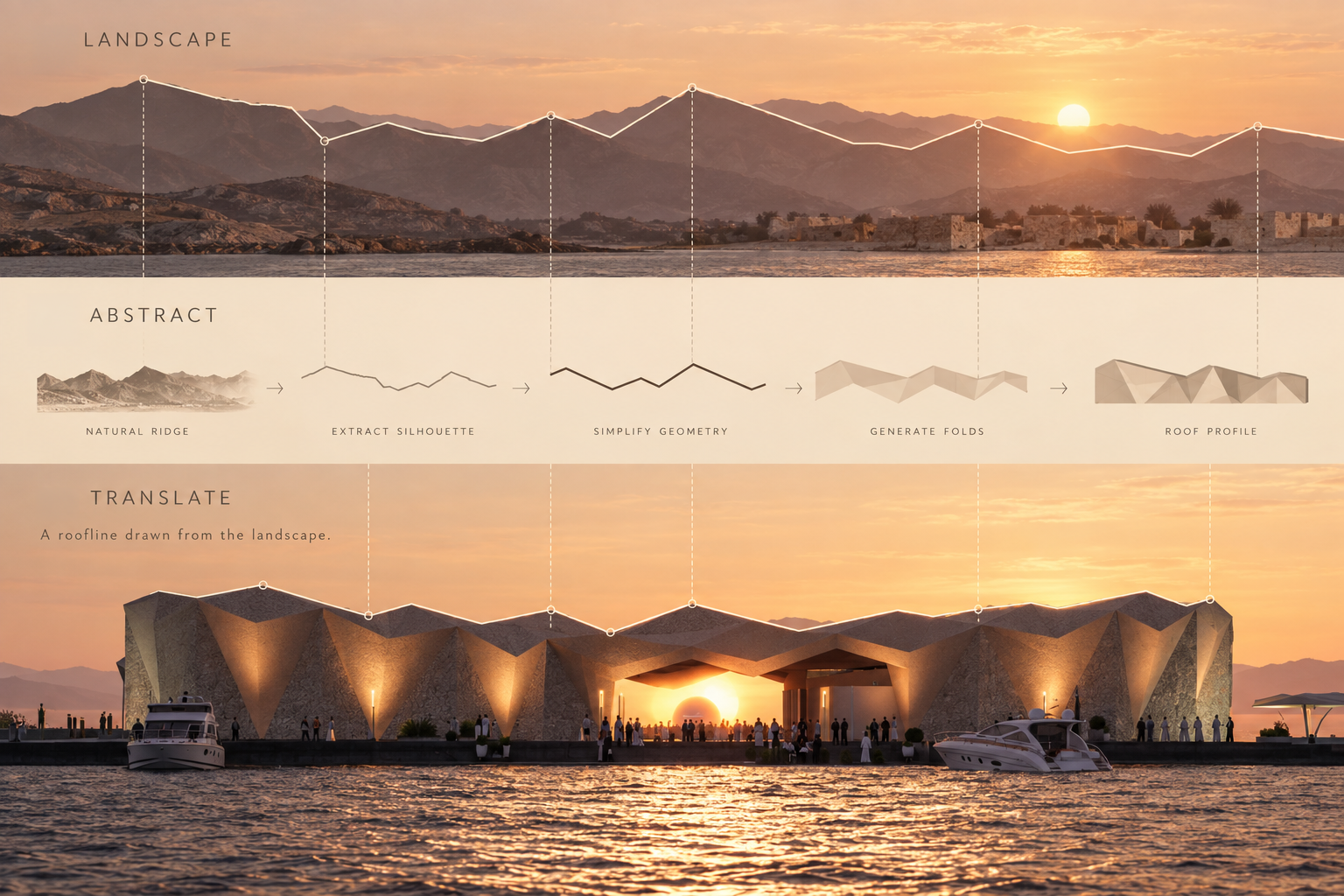
“Understand what makes the place distinctive.” Everything begins with understanding place: its culture, its rhythm and its people. We look beyond the immediate site to understand the wider context that has shaped it: landscape, climate, history, settlement, local materials, craft, folklore, food, art and the ways people gather and live. These references are not treated as a palette to be applied to the design. We look for the relationships behind them: why buildings developed in a particular way, how people adapted to climate, how water shaped settlement, how traditions of hospitality influenced space, or how landscape and ecology became part of local identity. From there, we interpret rather than imitate. A historic route might shape the sequence of arrival. A tradition of gathering might inform a new social space. A landscape condition can influence orientation and form. A local material, craft or natural structure might become the starting point for a contemporary architectural idea. The relationship can be direct or almost imperceptible. What matters is that it comes from an understanding of the place rather than being applied afterwards. The intention is not to create a recognisable house style. It is to allow different places to produce different architecture.
04 ______THE CHALLENGE
CULTURE CARRIES MEMORY
Cultural destinations are rarely blank canvases. They are shaped by history, identity, traditions and the expectations of the communities connected to them. The challenge is to create places that feel contemporary and relevant without reducing culture to decoration or spectacle. Heritage may need to be protected, interpreted or reimagined, while new programmes, visitor flows and commercial demands must sit comfortably alongside what is already there. The strongest destinations allow the past and present to coexist, creating experiences that feel rooted in their context rather than imposed upon it.

05 ______ CASE STUDY
UNDERSTANDING THE PLACE BEFORE DESIGNING THE DESTINATION
Our work in Yanbu began beyond the boundaries of the individual sites. During our research and site visits, we explored the wider region — its coast, mountains, wadis, historic settlements, agriculture and the systems of water and cultivation that allowed communities to exist within an otherwise extreme landscape. At Yanbu al Nakhal, those relationships were particularly visible. Historic settlements, palm cultivation, waterways and the surrounding mountains revealed a landscape shaped by ingenuity, scarcity and adaptation over generations. These observations became more than research material. They provided a way of thinking about the new destinations: architecture that responds to climate; spaces shaped around gathering and hospitality; buildings whose forms grow from landscape rather than being imposed upon it; and contemporary experiences connected to the cultural memory of the region. The objective was never to recreate the past. It was to understand it well enough to create something that could only belong in Yanbu.
.png)
06 _______ OUR EXPERIENCE
DIFFERENT EXPERIENCES. ONE SENSE OF PLACE.
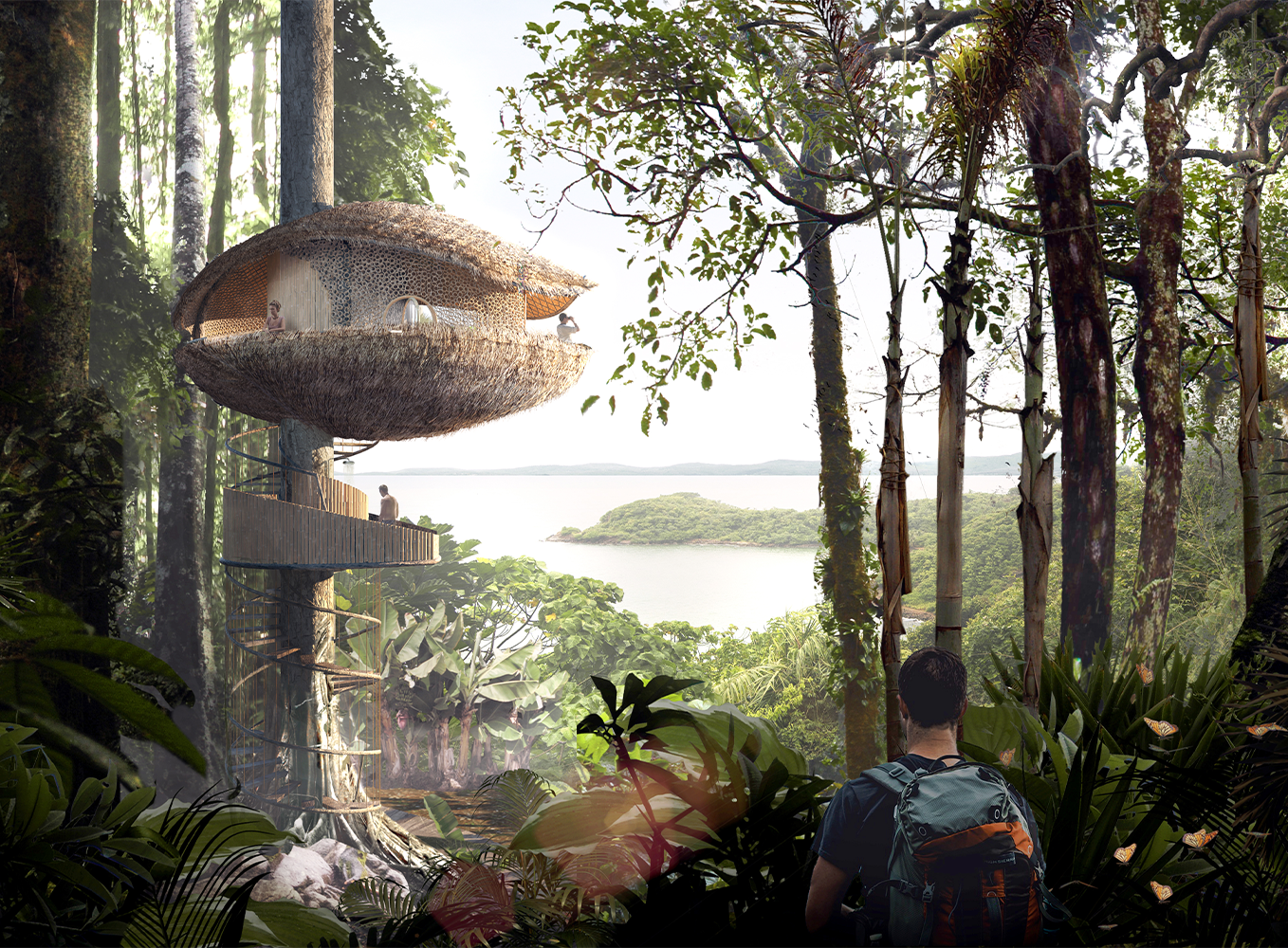
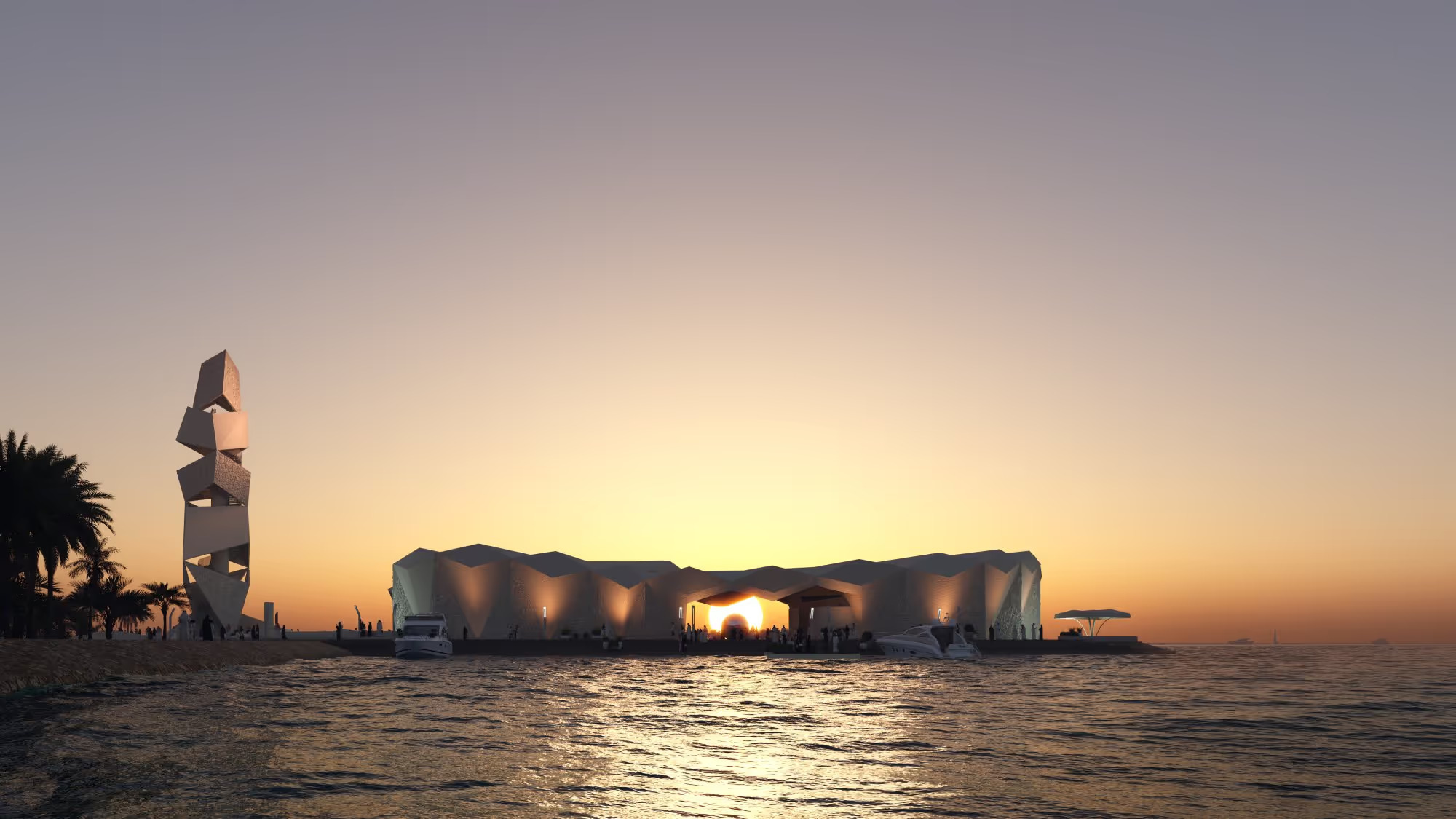
At Yanbu, that research is translated differently across a family of visitor destinations. The Tourism Activation Centre / Yanbu Visitor Centre becomes a gateway to the region. Its architecture and landscape connect land and sea, while an immersive gallery, viewing tower, marina, café and dive facilities turn orientation into a wider experience of the Red Sea. The building’s forms respond to the coastline and the mountainous landscape beyond, creating a cultural and educational landmark rather than simply an information centre. The Yanbu Beach Club takes a different cultural reference. Inspired by the caravanserai, historically a place where travellers, ideas and commerce met, the project reinterprets the courtyard and journey of arrival as a contemporary place for gathering, dining, relaxation and beach life. Local stone, natural textures and shaded spaces connect the architecture back to its desert and coastal setting. At the Yanbu Wellness Retreat, regional identity becomes quieter and more sensory. Climate, prevailing breezes, natural materials, water and views towards the Red Sea shape a destination centred on calm and renewal, with the architectural journey connecting spa, dining, accommodation and landscape as one experience. Together, the projects demonstrate that a common cultural identity does not require a common architectural style. What connects them is belonging.

07 FEATURED PROJECTS
SELECTED CULTURAL AND VISITOR DESTINATIONS.
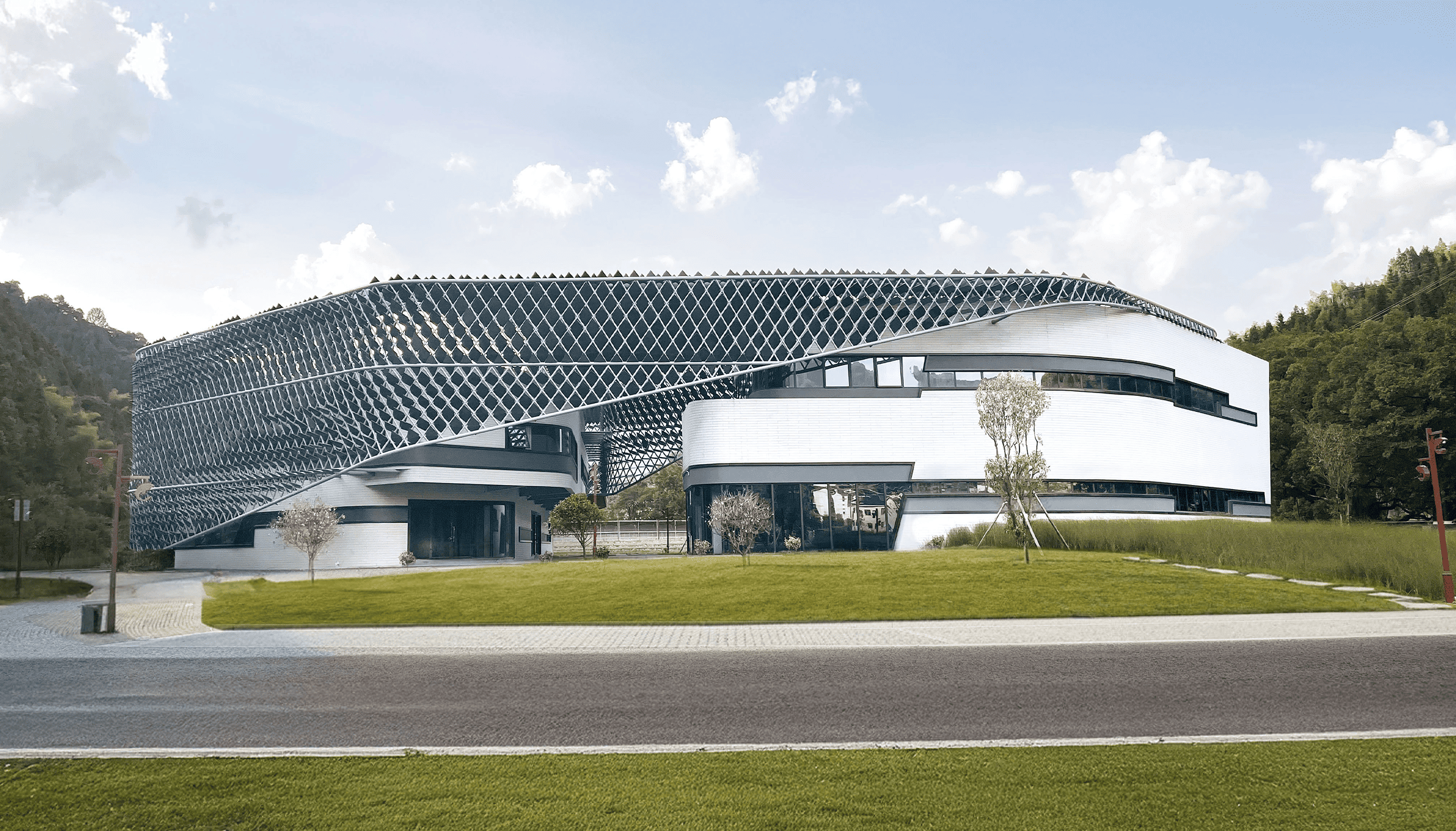
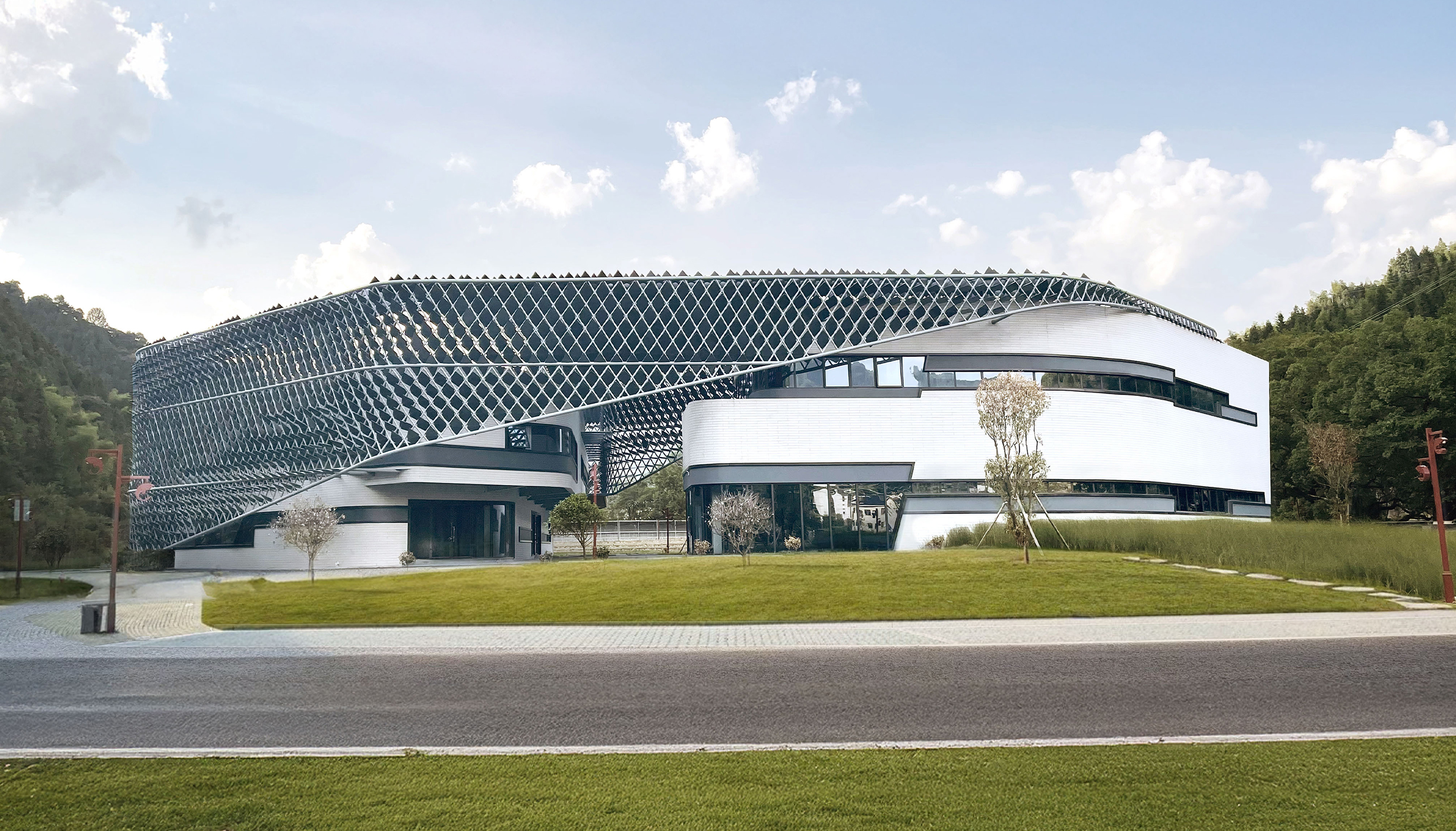
KAIHUA FISH MUSEUM
A cultural destination shaped by the relationship between local ecology, fishing traditions and contemporary architecture. The building’s expressive envelope draws on the language of fish scales, translating a familiar natural reference into a distinctive civic identity.
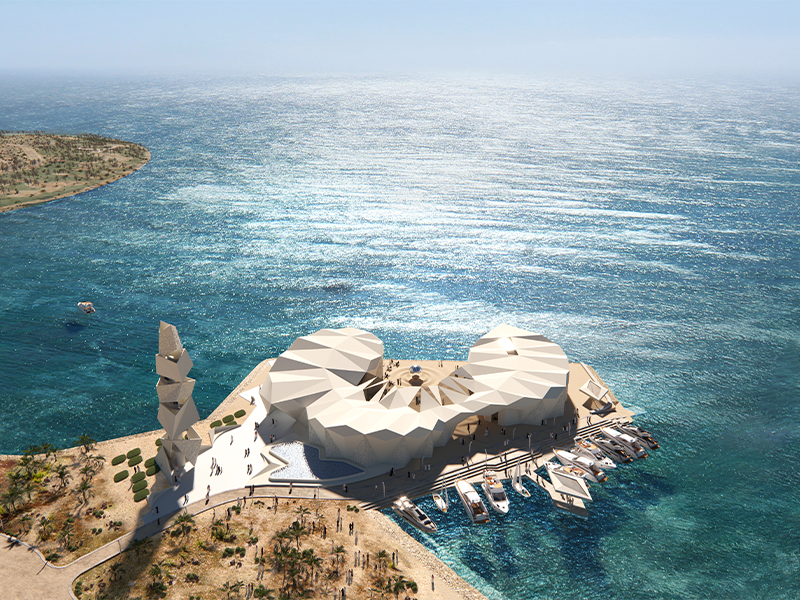
RED SEA TOURISM CENTRE
A gateway to the wider Red Sea destination, bringing together arrival, orientation and cultural interpretation. The architecture responds to the coastal landscape through shaded spaces, framed views and a strong connection between land, water and visitor experience.
RED SEA BEACH CLUB
A waterfront hospitality destination designed around leisure, landscape and the experience of the sea. Low-slung architecture, shaded terraces and direct access to the water create a relaxed social setting that feels closely tied to its coastal environment.
08 RELATED EXPERTISE

LET'S BUILD EXCEPTIONAL
DESTINATIONS TOGETHER.
We partner with visionary clients, operators and collaborators to create places that inspire, endure and make a positive impact. Let's explore what's possible.