

MOUNTAINS
& SKI RESORTS
Designing destinations where the mountains begin
SKI RESORTS • MOUNTAIN HOSPITALITY • STEEP TERRAIN • ALPINE DESTINATIONS • VISITOR ATTRACTIONS • CABLE CARS • MOBILITY • TOURISM INFRASTRUCTURE
BACK TO EXPERTISE
DEVELOPMENTS
RESORTS
STATIONS
HOSPITALITY
ATTRACTIONS

01 ________THE OPPORTUNITY
THE JOURNEY CAN BECOME PART OF THE REASON TO VISIT.
Mountains offer more than a setting for skiing. Views, cooler climates, trails, sport, wellness and dining can attract different visitors throughout the year. For developers, this creates an opportunity to build a destination with several reasons to visit, rather than one that depends on a single season or activity. Access can add to that appeal. A cable car can open up a site that is difficult to reach by road while giving visitors views and a memorable journey. Stations can become places to meet, eat or begin an activity. When accommodation, attractions and transport are planned together, the infrastructure serves the destination and becomes part of its identity.
02 ______THE CHALLENGE
THE MOUNTAIN SETS THE CONDITIONS.
Steep terrain affects where buildings can stand, how people reach them and what construction will cost. Roads, foundations, excavation, snow, wind and emergency access all need careful consideration. Visitor numbers can change sharply between seasons and within a single day. Parking, ticketing, queues and transport capacity must handle busy periods without leaving the destination with more infrastructure than it needs for the rest of the year. These decisions are closely connected. A cable car station must work with the arrival area, hotel, trails and attractions it serves. A resort that functions well in winter may need different routes and activities in summer. The challenge is to make the destination accessible and commercially useful while preserving the landscape that makes people want to visit.

03 ______OUR APPROACH
PLAN THE DESTINATION AND ITS MOBILITY TOGETHER
“Let the terrain shape the journey.” In mountain projects, the route to a place can determine what is possible there. We begin by studying contours, access points, views, climate and patterns of use across the site. This helps establish where development makes sense, how visitors and services will move, and where the journey itself could become an experience. We bring architecture, hospitality, landscape and visitor planning into the same conversation. With our cable car planning partner Melzer & Hopfner, we consider transport routes, capacity and stations alongside arrival spaces, pedestrian connections and the wider destination programme. We also test how the infrastructure will work in different seasons, so a station can serve skiers in winter and hikers, cyclists or day visitors in summer. The aim is to make access, architecture and attractions work together, with each intervention earning its place on the mountain.

04 ______ CASE STUDY
FROM SKI JUMP TO VISITOR DESTINATION.
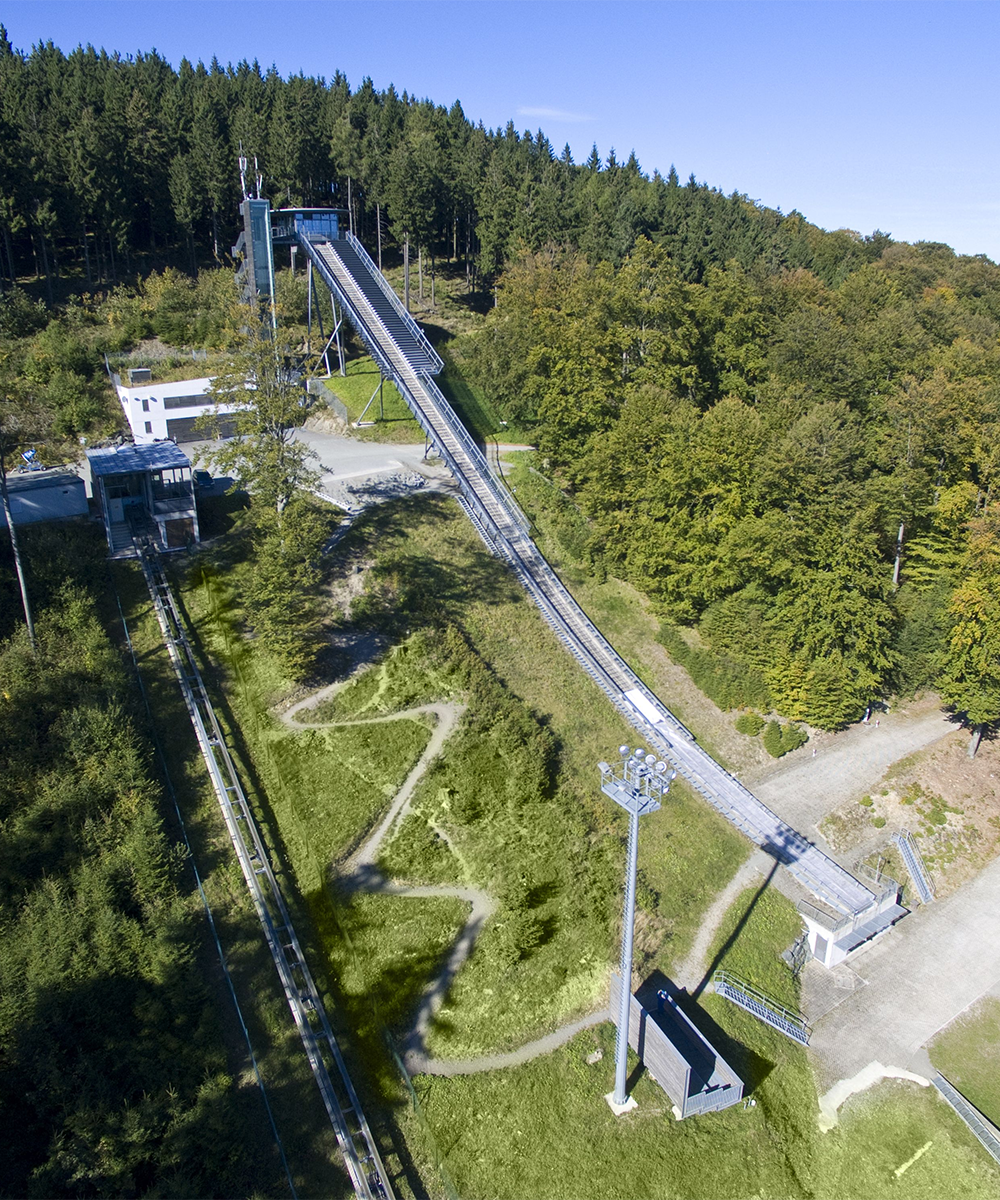
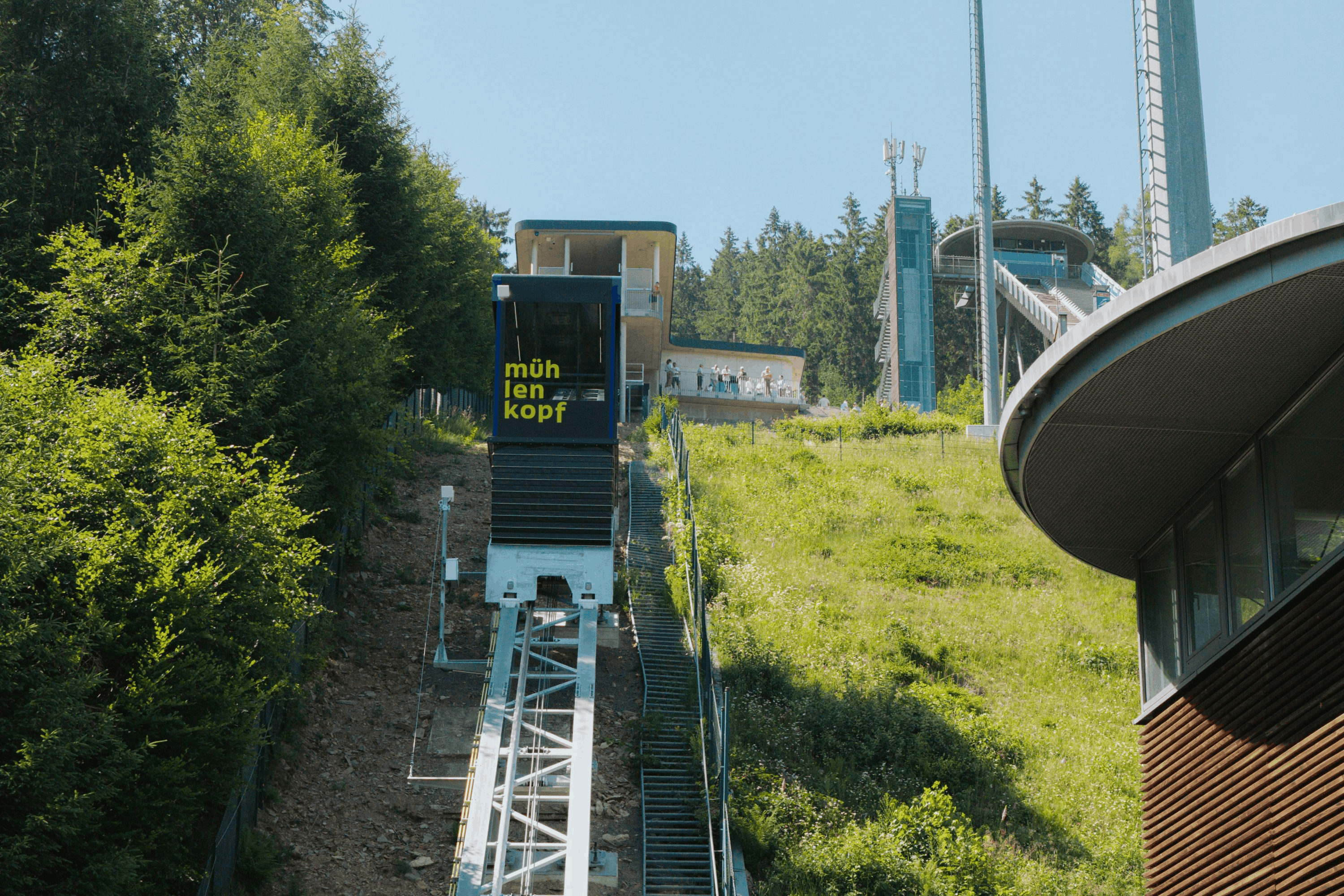
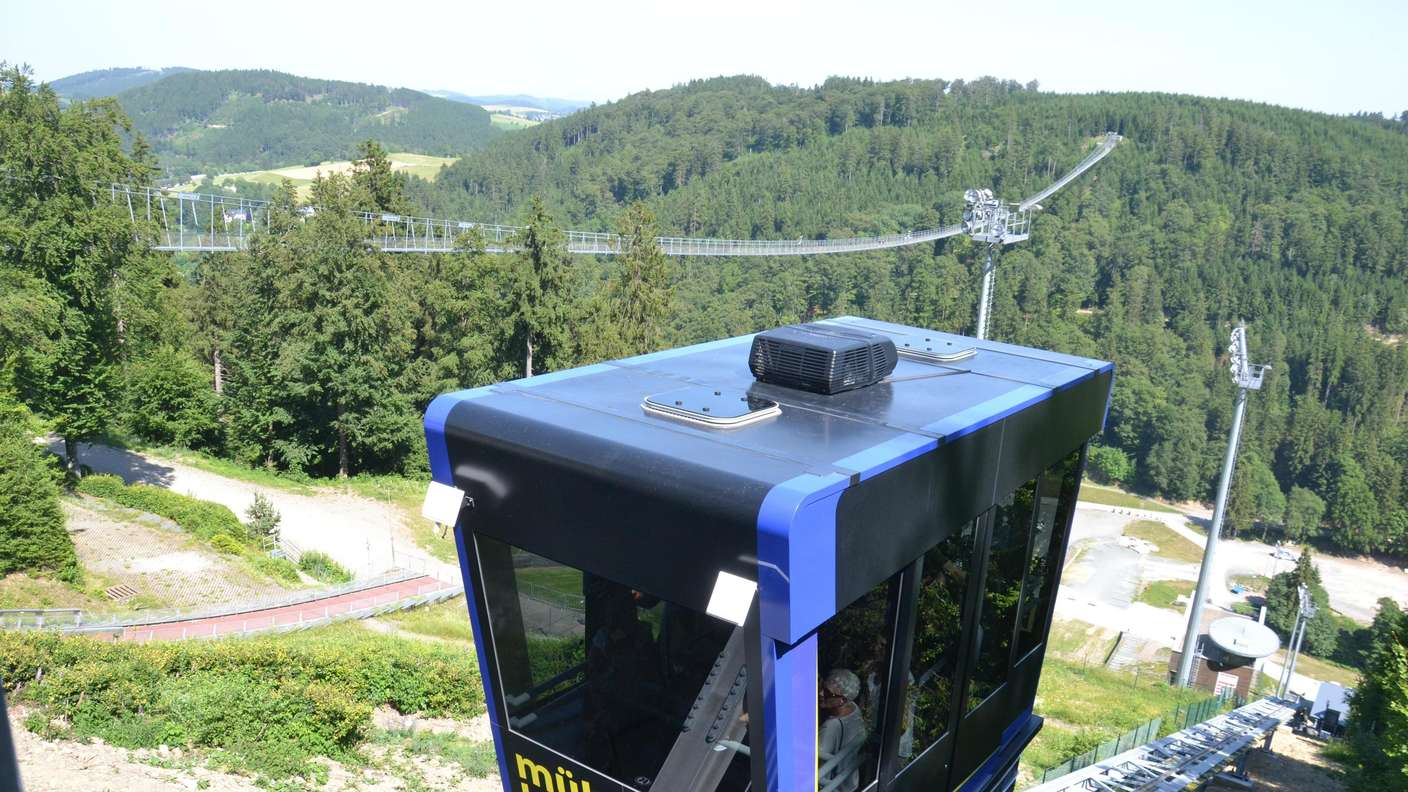
The Mühlenkopfschanze in Willingen began as a ski jump, but has grown into a destination that people visit beyond competitions. Its steep setting is part of the attraction. Reaching the site and moving through it shape how visitors experience the structure, the views and the surrounding landscape. Our work on the incline car addressed that journey directly. It provides access across difficult terrain while becoming part of the visitor experience. The project shows how mobility can help a sports facility welcome a broader audience, making an existing attraction more accessible and giving people another reason to visit.
05 _______ OUR EXPERIENCE
WORKING WITH MOUNTAINS AT DIFFERENT SCALES.
Our mountain work ranges from cable car stations in Serfaus Fiss Ladis and a hotel combined with a cable car in Davos to the incline car at the Mühlenkopfschanze. We have also worked on a steep site in Pine, India, and designed a theatre in Dali, China, that adapts to its mountain landscape. Across these projects, terrain is central to decisions about access, architecture and the visitor experience. Our partnership with Melzer & Hopfner adds specialist cable car planning to that architectural experience. Together, we can consider routes, stations and transport operations as part of a wider destination plan, connecting the technical system with the places and experiences it serves.
06 FEATURED PROJECTS
SELECTED MOUNTAIN AND ALPINE PROJECTS.
PISCHA 3.0
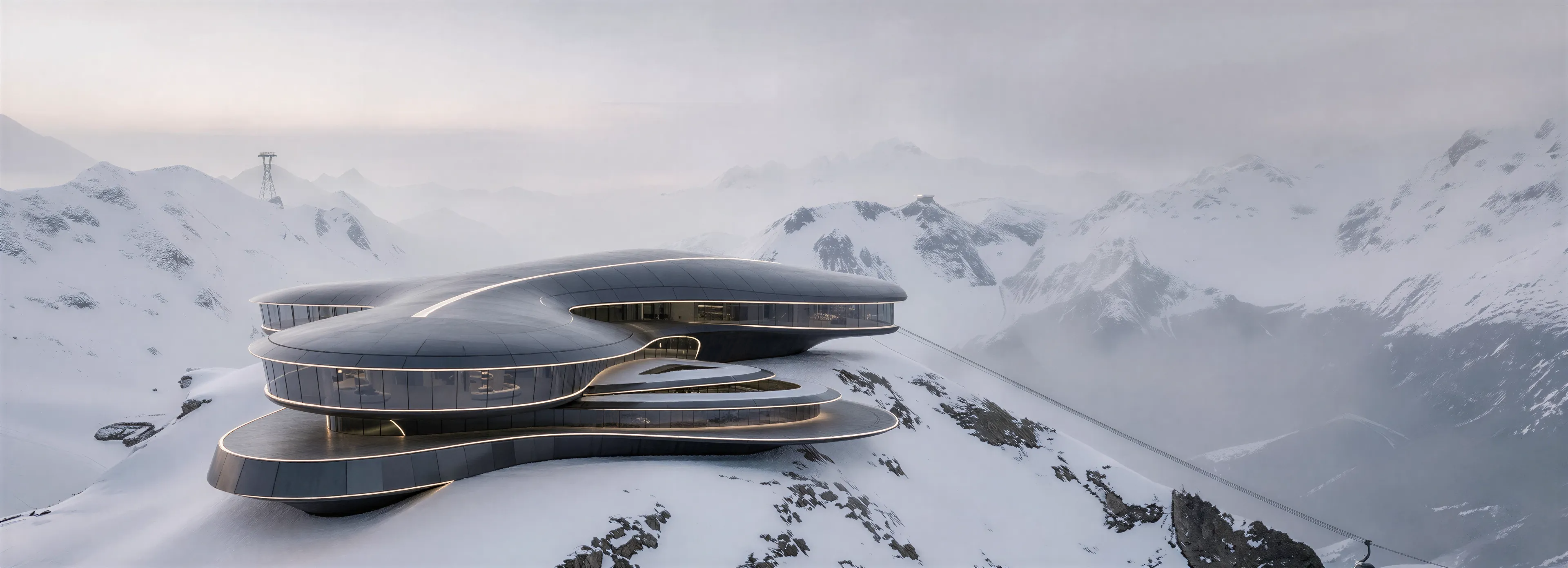
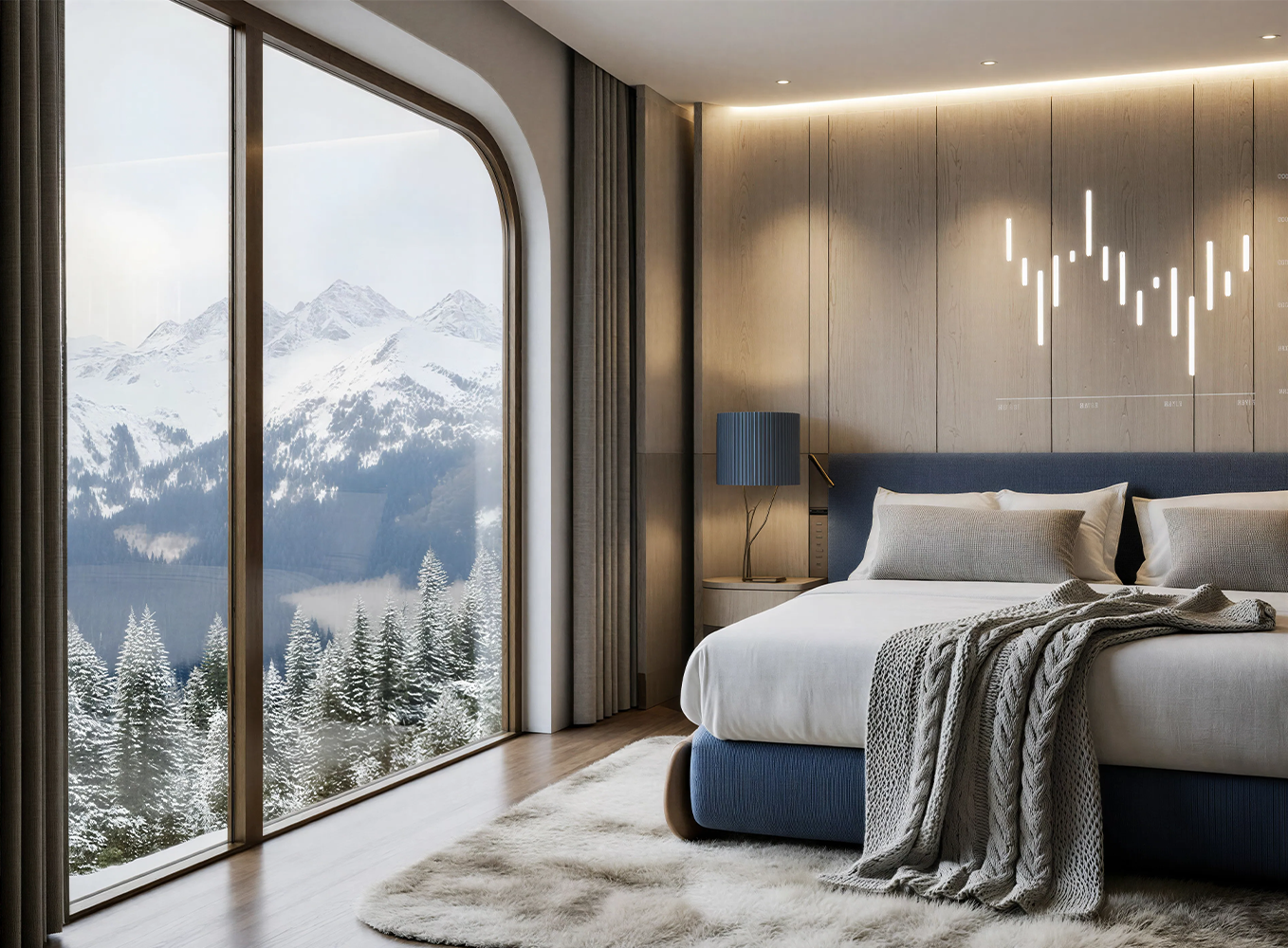
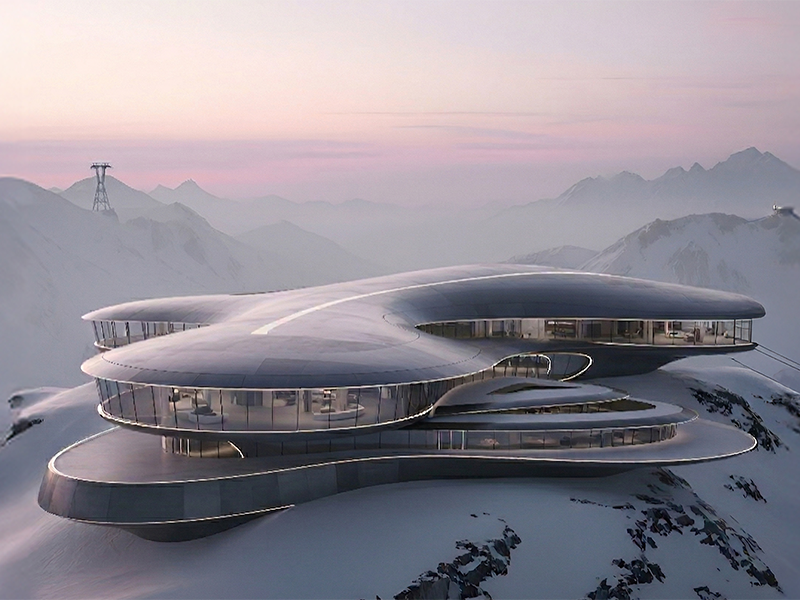
Pischa 3.0 reimagines an underutilized mountain destination as a year-round hub for hospitality, research, technology and cultural exchange. The concept combines a boutique hotel, wellness facilities, flexible event spaces and scientific programs within an architectural approach that responds to the demanding alpine environment.
MÜHLENKOPFSCHANZE
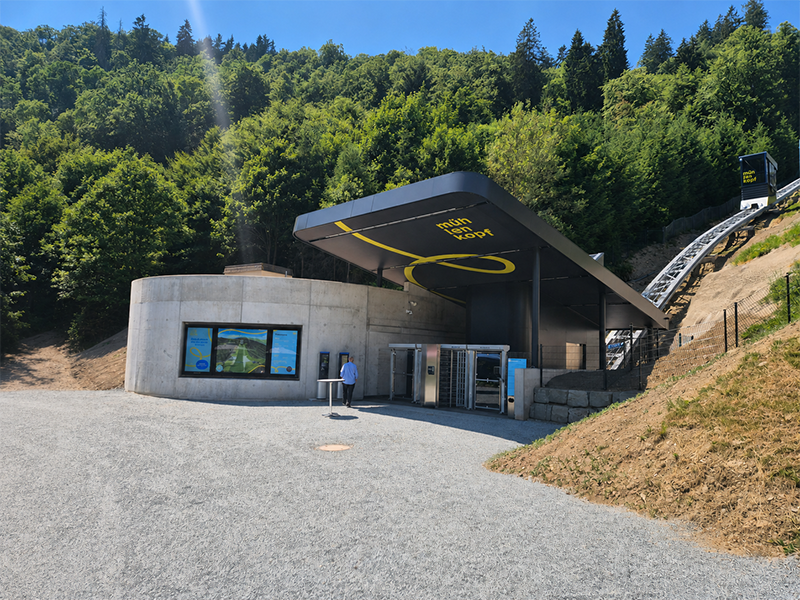
At the world's largest large-hill ski jumping facility, the project addresses the transformation of specialized sports infrastructure into an accessible, year-round attraction. Working alongside cable-car planning specialists Melzer & Hopfner, the architectural scope focuses on the incline-car infrastructure and its integration into the steep hillside, improving the visitor experience while respecting the site's sporting identity.
MOUNTAIN THEATER & GALLERY
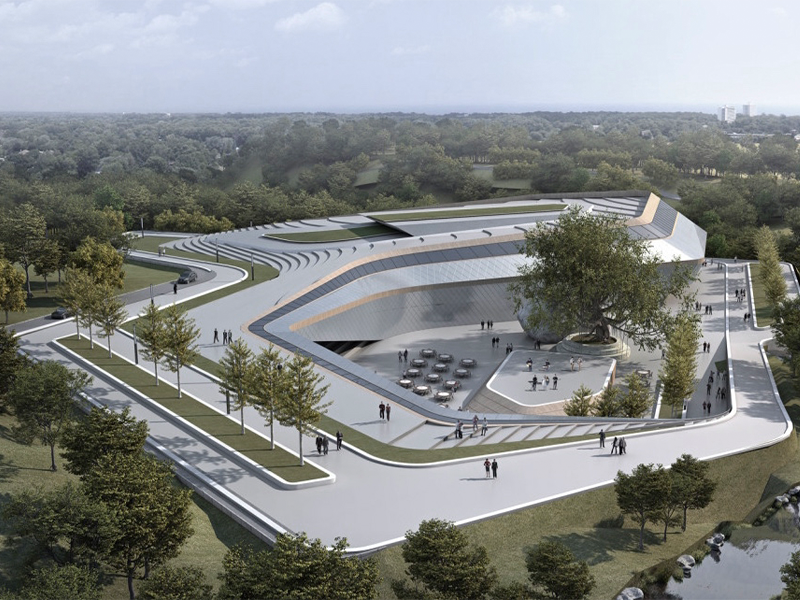
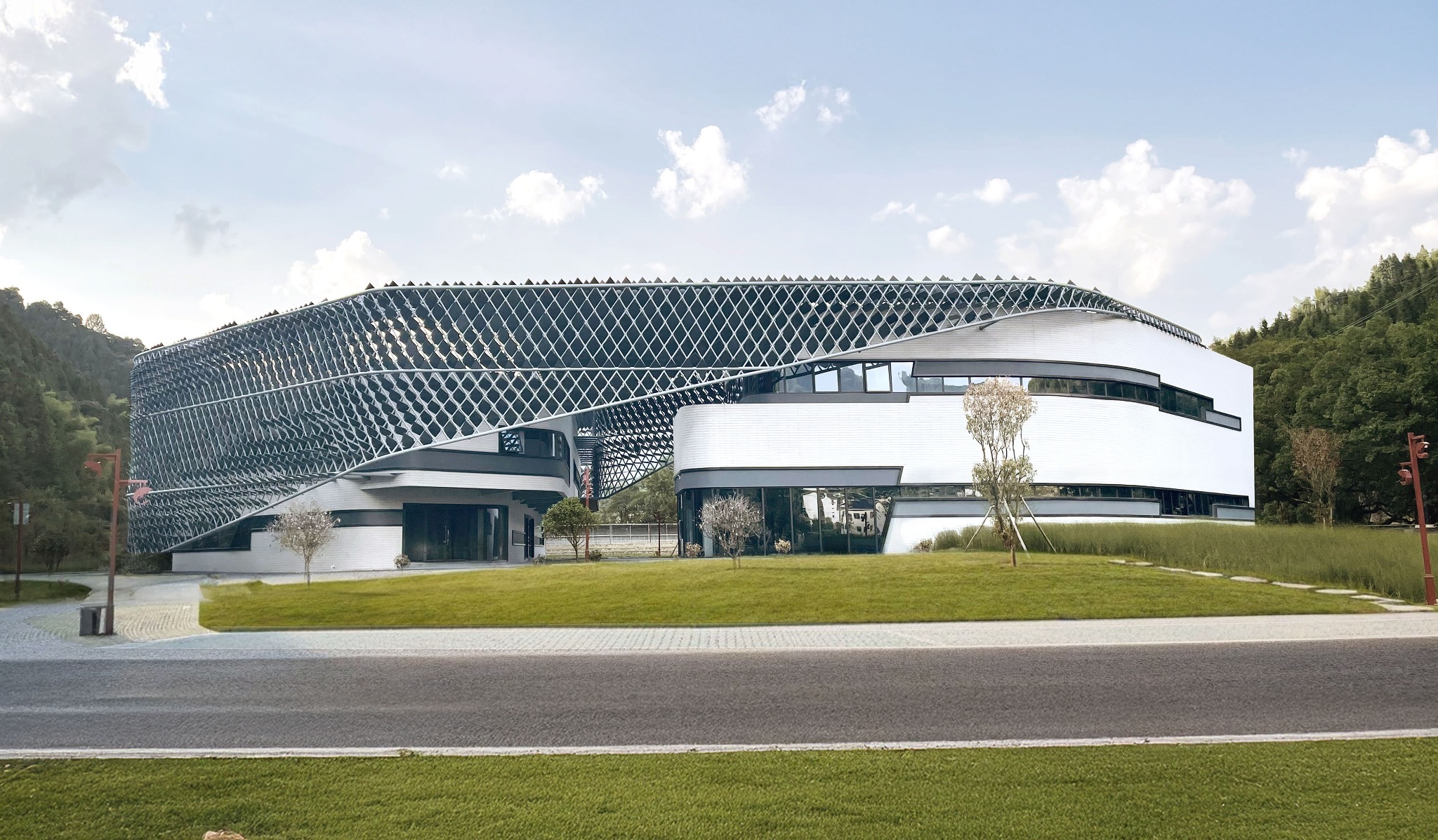
Set within Yunnan's dramatic mountain landscape, the project explores how cultural architecture can adapt to steep terrain rather than impose itself upon it. A theater and gallery are integrated into the hillside, using the natural topography to shape spatial sequences, visitor circulation and the relationship between architecture and landscape.
07 RELATED EXPERTISE

LET'S BUILD EXCEPTIONAL
DESTINATIONS TOGETHER.
We partner with visionary clients, operators and collaborators to create places that inspire, endure and make a positive impact. Let's explore what's possible.